GLP-1 Medical Weight Loss Programme
A specialist-led medical weight-loss programme incorporating GLP-1-based therapies as part of a broader structured approach to appetite regulation, metabolic health, and sustainable long-term weight management.
What are GLP-1 Therapies?
GLP-1-based therapies are medications used in the management of obesity and metabolic health as part of a broader medical weight-loss strategy.
These treatments work by influencing pathways involved in appetite regulation, satiety, gastric emptying, and energy balance. For some patients, this may help reduce hunger, improve portion control, and support meaningful weight reduction when combined with structured lifestyle and medical care.
Commonly discussed GLP-1-based medications include semaglutide and tirzepatide, which may be prescribed under different brand names depending on the specific treatment pathway and clinical indication.
How do GLP-1 Treatments Support Weight Loss?
- Reduce hunger and food cravings
- Improve feelings of fullness after eating
- Support portion control
- Reduce “food noise” or persistent thoughts about eating
- Assist with more sustainable calorie reduction over time
Some GLP-1-based therapies may also influence gastric emptying and metabolic regulation, which can further support weight-management efforts in appropriate patients.
However, response to treatment varies between individuals, and these medications work best when integrated into a broader structured programme that includes nutritional support, behavioural strategies, ongoing review, and long-term planning.


Who May Benefit From GLP-1-Based Treatment?
GLP-1-based therapies may be considered for patients struggling with weight management where appetite regulation, metabolic factors, repeated regain, or difficulty maintaining weight loss continue to become ongoing challenges.
These treatments may be appropriate for people who:
Not every patient will be suitable for GLP-1-based treatment, which is why careful medical assessment and personalised planning remain important parts of the decision-making process.
At Perth Surgical & Bariatrics, treatment recommendations are individualised based on health background, goals, previous treatment history, metabolic factors, and long-term needs.

Specialist-led Programme
Beyond Prescriptions Alone
GLP-1-based therapies can play an important role in modern medical weight loss, but successful long-term treatment often involves far more than medication alone.
Weight regulation is influenced by appetite biology, metabolism, nutritional habits, body composition, lifestyle factors, sleep, stress, and long-term behavioural patterns. As a result, sustainable outcomes usually depend on a broader and more structured approach than prescriptions in isolation.
At Perth Surgical & Bariatrics, GLP-1 treatment pathways are integrated into a specialist-led programme focused on:
• ongoing medical review
• nutritional and metabolic support
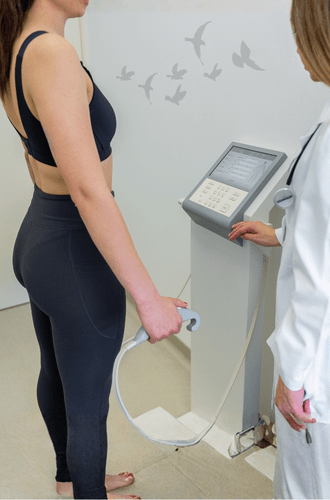
• body composition and muscle preservation strategies
• long-term maintenance planning
• structured follow-up and treatment optimisation
• early intervention for plateaus or regain
For some patients, medical therapy alone may provide meaningful long-term benefit. Others may ultimately require broader metabolic or bariatric assessment as part of a more comprehensive long-term strategy.
How the GLP-1 Programme Works
Your programme begins with a detailed medical assessment focused on weight history, appetite patterns, metabolic health, previous treatments, lifestyle factors, goals, and long-term challenges.
Where appropriate, a tailored treatment strategy may include GLP-1-based therapy as part of a broader structured medical weight-loss programme.
Regular follow-up appointments help monitor progress, review treatment response, manage side effects where relevant, and adjust strategies over time.
Treatment pathways are supported by ongoing guidance focused on nutrition, metabolic health, body composition, and long-term sustainability.
As weight regulation changes over time, ongoing review may help support maintenance, reduce regain risk, and optimise longer-term outcomes.
At Perth Surgical & Bariatrics, the goal is not simply short-term weight reduction, but helping patients achieve safer and more sustainable long-term health outcomes through structured specialist-led care.
Long-Term Maintenance & Weight Regain
Weight management is rarely a short-term process. Many patients experience changes in appetite, metabolism, weight stability, or treatment response over time, particularly during maintenance phases or after stopping medication.
For this reason, long-term success often depends on more than the initial phase of weight reduction alone.
- Sustainable maintenance strategies
- Early identification of regain risk
- Ongoing metabolic and nutritional review
- Body composition and muscle preservation
- Treatment optimisation over time
- Structured support through changing needs and life circumstances
Some patients may ultimately continue with medical therapy long term, while others may transition toward broader medical, metabolic, or bariatric pathways depending on individual response and long-term goals.
The focus remains on supporting durable, clinically meaningful, and sustainable long-term outcomes rather than short-term treatment alone.
Frequently asked questions
GLP-1-based therapies are medications used within structured medical weight-loss programmes to help support appetite regulation, satiety, and long-term weight management.
Semaglutide and tirzepatide are examples of medications used within GLP-1-based treatment pathways and may be prescribed under different brand names depending on the clinical situation and indication.
Weight-loss outcomes vary significantly between individuals and depend on multiple factors including metabolic health, treatment adherence, nutritional habits, activity levels, and long-term follow-up.
Some patients may experience increased appetite or weight regain after stopping medication, which is why long-term maintenance planning and structured follow-up remain important parts of treatment.
No. Suitability depends on individual medical history, metabolic health, goals, and overall clinical assessment.
No. At Perth Surgical & Bariatrics, GLP-1 therapies are integrated into a broader specialist-led obesity medicine programme involving structured review, metabolic support, nutritional guidance, and long-term planning.
For some patients, medical therapy may provide meaningful long-term improvement without surgery. Others may ultimately benefit from broader bariatric or metabolic assessment depending on long-term response and goals.
Where appropriate, treatment pathways may include body composition monitoring and strategies focused on preserving lean muscle mass during weight reduction.
Follow-up is individualised and depends on treatment response, long-term goals, maintenance needs, and overall metabolic health.
The first step is a comprehensive assessment to review your health background, goals, previous weight-loss history, and the most appropriate treatment pathway for your individual needs.
